![]() |
![]() |
||||||||||||||||||||||||||||||||||||||||||
|
Home > Visiting Us > History |
|||||||||||||||||||||||||||||||||||||||||||
|
History It was at the turn of the century when the first settlers arrived in the Drayton Valley area. They made their living either as lumbermen or trappers, making use of the resources in the undeveloped district. No road connection existed with Edmonton, and the North Saskatchewan River was their only contact with the outside world. The first town site was in the river valley, but it was later moved up the hill to its current location.
The economic base during the early period was lumber. After 1945, however, mixed farming became the main source of income. In 1953, all that changed when the hamlet struck oil. The discovery well of the Pembina Oil Field was drilled by Mobil Oil and was spudded on February 23rd, 1953. The oil field became the largest in North America and its impact was immediate. Other oil companies intensified their drilling in the locality. Over $900 million was invested in the area by the oil industry. Within a year, the boom was on. More than 70 oil companies set up their field-based operations in Drayton Valley. Two churches, a post office and a two-classroom school were the focus of the community—with the arrival of the oil boom, these facilities were outgrown overnight. In one year (1953), the town grew from 75 to 2,000 people. The hamlet continued to grow, and was incorporated as a village in February 1956. Two other communities also grew out of the influx of workers—Lodgepole and Cynthia. Drayton Valley was the main service and residential centre, and on February 7th, 1957, Drayton Valley was officially incorporated as a town. The Explorers
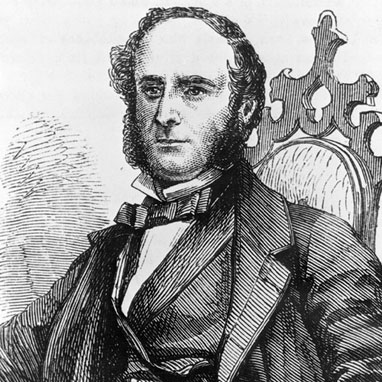
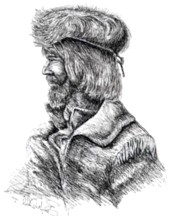
On September 11th, 1810, after having sent his canoes ahead, he set out from White Earth House, a trading post close to the Alberta/Saskatchewan border, with William Henry and two First Nations guides. However, from then until the end of October of 1810, a shroud of mystery looms over what took place. Thompson’s diary, usually very thorough, had very little information during this time. Alexander Henry, a fellow explorer and nephew of William Henry, offered the most likely explanation in his diary. He was wintering at Rocky Mountain House and he wrote about warnings of hostile Peigans, a blood-thirsty tribe in the area. Thompson’s canoes returned to Rocky Mountain House. On October 11th, Alexander Henry immobilized the Indians with liquor laced with laudanum so the canoes could continue. The next morning, William Henry arrived with the two First Nations people and announced that he had left Thompson on a tributary called the Brazeau. Thompson had sent Henry and the two First Nations people ahead to Boggy Hall, an abandoned trading post. Henry discovered that Thompson’s canoe brigade had been attacked there and its members’ blood was still fresh on the rocks. After firing a signal shot, William Henry rejoined Thompson and told him what had happened. Thinking that Peigans would investigate the gunshot, He wrote, “they would be on us very early in the morning, and we must get an early start.” He also wrote that the next day, they all rode off together. Alexander Henry’s account, however, differs considerably. He wrote that when Thompson heard of the attack, he jumped on his horse and rode off, leaving his men and his canoes. On October 12th, Alexander Henry set out to find Thompson. He located him “on the top of a hill, 300 feet above the water, where tall pines stood so thickly that [he] could not see his tent until [they] came within ten yards of it”. Thompson, it seems, had been occupying this spot for over three weeks and was suffering the effects of starvation, presumably because he did not dare fire a shot for fear of the Peigans’ wrath. No mention of Alexander Henry is made in Thompson’s narrative of the incident. Many experts believe that Thompson destroyed this section because of the obvious disgrace involved. Many rumors did circulate during his lifetime, casting doubts about his bravery and heroism. This was history’s initial brush with Drayton Valley. But more was to come. The Settlers The trapping industry was the next to affect the area. Furs were sold commercially until 1920, when the price of furs dropped to below a profitable level.
The first homesteaders were William and Dora Drake and their six-year-old daughter, Dolly. They selected a quarter-section of land within a stone’s throw of what is now the Town of Drayton Valley. The original town site was situated one and a half miles down in the valley. The name the town has also changed from its original name, “Powerhouse.” It was called this because an English syndicate had plans to build a dam six miles south of Drayton Valley in 1911. Due to the outbreak of World War I, they were forced to abandon the project. Dora and William Drake ran the first post office in Powerhouse. Because there was another centre called “Powerhouse,” the postal inspector suggested that the name be changed. Dora and William decided on Drayton Valley because “the first part of the name (Dray) was near to that of [their] own, and the latter part (ton) similar to [their] own home town.” And so it became “Drayton Valley” and has remained ever since. Throughout the 1920s, the main industry was lumber. By 1930, there were thirty lumber camps, employing between three and four hundred men. Drayton Valley was largely unaffected by the Great Depression of the 1930s due to its relative isolation. Because of their tremendous community spirit, the less fortunate community members were taken care of. As a rural community, its chief entertainments consisted of card parties, school dances, box socials and turning over outhouses. From every description, it was a peaceful placid town nestled away from the world. By 1945, the forests had been harvested and the lumber mills began to shut down. Farming became the main industry in the area. It was a small town of approximately fifty residents with little history and what looked like even less future. The Discovery
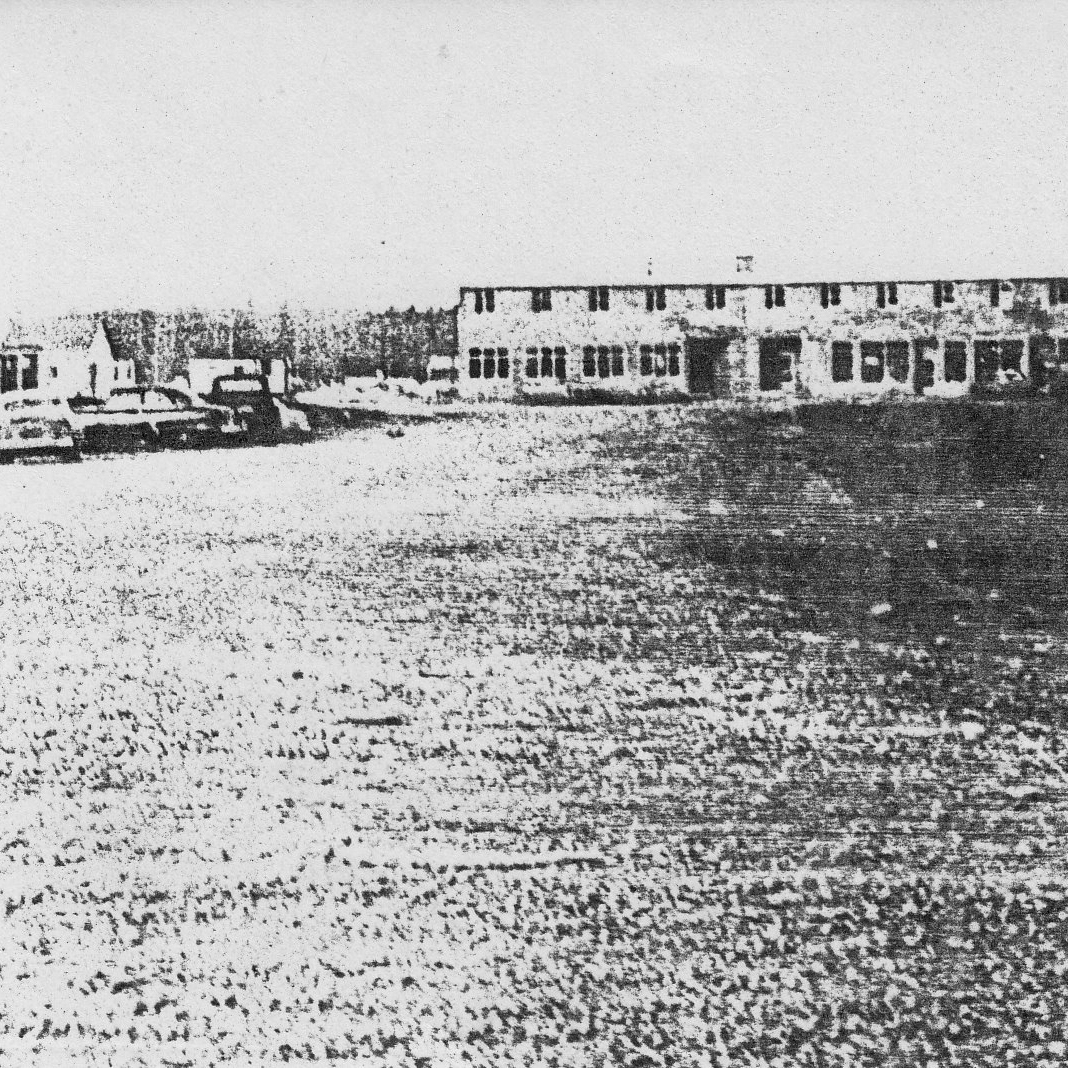
When they drilled, nothing flowed to the surface. Was this well just a teaser? Socony-Mobil was in a quandary—should they pull out or continue to the well’s contracted depth of 9,400 feet? They decided to continue on. At one point in the drilling, a one-foot wrench had been dropped into the hole and had to be retrieved with a powerful fishing magnet. In May, the total depth of the well reached 9,425 feet, with no sign of oil—the well was definitely a teaser. But this time, they decided to try a relatively new technique called sand fracturing or hydrofacing. A solution of diesel oil and 3,000 pounds of sand were pumped down at a pressure of 1,800 pounds per square inch. The anticipated result was that hairline fractures would appear in the rock formation. The grains of sand would keep these fractures open and, hopefully, allow the oil to flow through—if there, indeed, was any. At the time, the technique had never been successfully applied in Canada. The odds were not considered favourable. However, on June 10th, after completion of the procedure, the well began to produce, initially at 72 barrels per day before maxing out at 285 barrels per day. Socony Seaboard No. 1 was the first Cardium well in Alberta and the first well drilled in the Pembina Oil Field. Its impact on Drayton Valley was immediately evident. The Boom Along with the oil, inevitably came civilization. The infamous Wildcat Café opened, staffed by “ladies of the evening.” Two businessmen moved in and opened a 24-hour drinking establishment. Small town, Alberta had become a boomtown almost overnight. Though the original residents in the area had mixed feelings about this transition, most thought it was a beneficial change. The oil provides jobs, money and services. The rural community was missed by some, but on the whole, the boom was greeted with approval. With the rapidly increasing activity, the Alberta government created the Drayton Valley Townsite Act, setting out the conditions for subdivision. The act was passed retroactive to March 1st, 1954, and thus began the planning of Drayton Valley. By May, 1954, $500,000 worth of building permits had been issued, including a $250,000 hotel. By the summer, work had begun on water and sewer lines after the development of two reservoirs—a 200,000 gallon underground unit and a 40,000 gallon elevated unit. The latter had to be expanded to 200,000 gallon capacity due to further growth. Then on June 1st, 1956, Drayton Valley became a town with the first elections of the town council to be held March 4th, 1957. The elected mayor was Robert Clarkson and the councilors were H. Pickup, H. Knight, D. Chow, D. Mackenzie, O. Williamson and J. Getzinger. Over the years, construction has continued with the erection of a bridge over the North Saskatchewan River and a 20-bed hospital, with plans to increase to 100 beds. Schools, parks, motels, hotels, shopping facilities and many other projects are still in the works. The future of Drayton Valley is promising, with a steady population increase due to proposed plans by Calgary Power to build power plants in the area and the recent oil discoveries in the West Pembina Oil Field. The population was at 6,000 by the turn of the 21st century and it’s still rising. “Drayton Valley is an unusual town in many respects. The spirit of the community is exceptionally high, the participation in the affairs of the community on the part of citizens, as well as clubs and other organized groups, is equal to, if not higher than in other older centres. By which formula the town achieved this maturity in such a short space of time is difficult to say, however, it can be safely assumed that there must have been some outstanding citizens, both inside and outside the administration who provided the community with good leadership.”
That statement was taken from the town’s general plan for 1967 and planning certainly has led to the success of Drayton Valley as a cultural, social and business entity. Drayton Valley is truly a model town in every sense of the word. |
Waste/Recycling Schedule UPDATED Events
Weather
|
||||||||||||||||||||||||||||||||||||||||||
![]() |
|||||||||||||||||||||||||||||||||||||||||||
| © 2009 Copyright - Town of Drayton Valley - All rights reserved | |||||||||||||||||||||||||||||||||||||||||||